A car should feel planted and predictable, even when the road is uneven or traffic forces a quick lane change. When the suspension begins to wear out, the vehicle may start drifting, bouncing, or leaning, or reacting later than expected. These changes often develop slowly, so drivers adjust to them without realizing how much control has been lost.
Suspension problems can affect more than ride comfort. They influence steering response, tire contact, braking stability, and the vehicle's handling of sudden movement. If the car feels nervous on the highway or less controlled in turns, one or more of these five problems may be at play.
1. Worn Shocks Or Struts
Shocks and struts control the movement of the springs and tires after the vehicle hits a bump or dip. When they wear out, the body can continue moving instead of settling quickly. The car may bounce more than once, float over rises, or feel unsettled when the pavement changes.
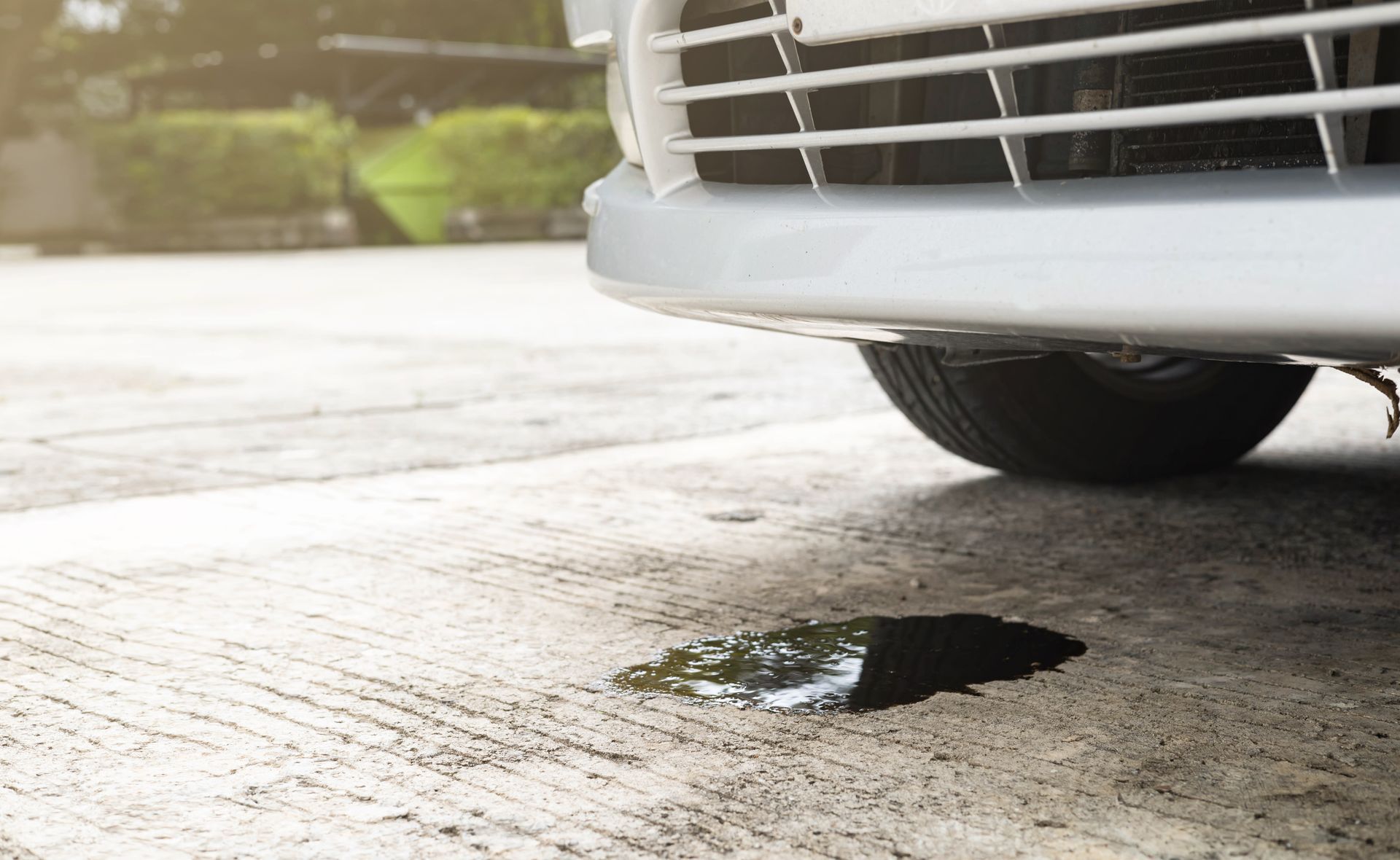
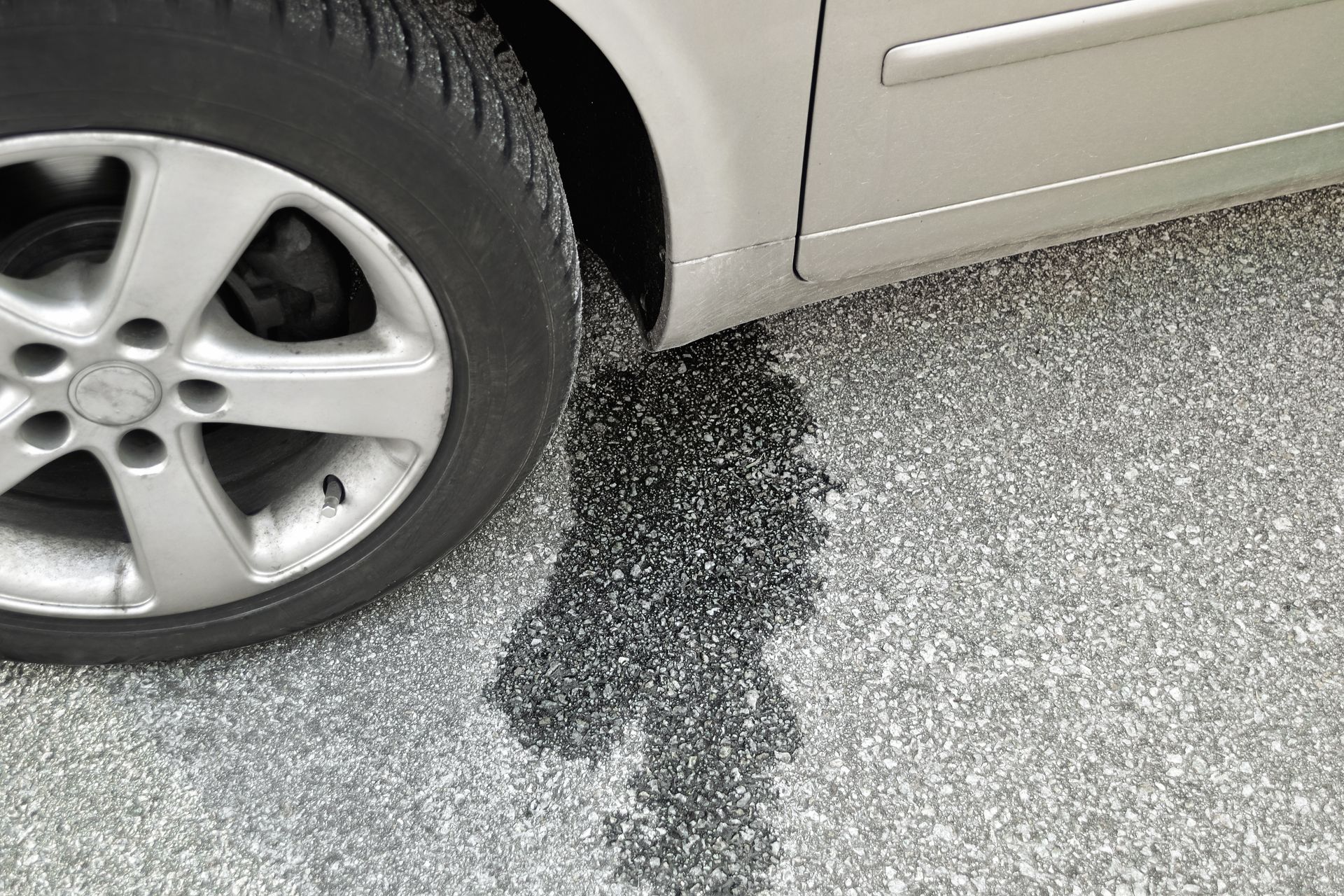
Weak shocks or struts also make it harder for the tires to stay firmly against the road. That can reduce confidence during braking and cornering, especially on rough pavement. Other clues include fluid leaking from the damper, cupped tire wear, excessive front-end dive, or a rear end that feels loose during quick direction changes.
2. Loose Control Arm Bushings
Control arms connect the wheel assemblies to the vehicle while allowing the suspension to move. Bushings cushion those connections and help hold the wheels in the correct position. As the rubber ages, it can crack, separate, soften, or collapse.
A worn bushing may allow the wheel to shift slightly during braking, acceleration, or turns. The vehicle can pull, wander, clunk over bumps, or feel delayed when the steering wheel is turned. Since the alignment changes as the wheel moves, the tires may also wear unevenly even after a recent alignment.
3. Worn Ball Joints Or Tie Rod Ends
Ball joints and tie rod ends are important connections within the suspension and steering systems. Ball joints allow the wheels to move up and down while turning, while tie rods transfer steering movement from the rack to the front wheels. Both parts need to remain tight and controlled.
Wear can create looseness that makes the steering feel vague or unpredictable. The driver may notice clunks, wandering, uneven tire wear, or a steering wheel that requires frequent correction. These parts should be inspected promptly because severe wear can affect the vehicle’s ability to keep the wheel securely positioned.
4. Weak Or Broken Springs
Springs support the vehicle's weight and maintain its ride height. They also absorb much of the initial force from bumps and road changes. A spring can weaken, sag, or break after years of carrying weight and dealing with rough pavement.
A damaged spring may leave one corner sitting lower than the others. The vehicle can lean through turns, bottom out over bumps, or feel uneven under braking. A broken section of coil spring may also create a metallic clunk or rub against nearby parts. Ride height should be measured because a small difference may be difficult to judge by eye.
5. Worn Sway Bar Links Or Bushings
The sway bar helps limit body roll by connecting the left and right sides of the suspension. Links and bushings hold it in place while allowing controlled movement. When these parts wear, the vehicle may lean more through corners and feel less stable during lane changes.
Worn sway bar links commonly create a quick tapping or rattling sound over small bumps. Damaged bushings can allow the bar to shift, resulting in a heavier clunk. These parts may not create severe instability by themselves, but their effect becomes much more noticeable when shocks, tires, or other suspension components are worn too.
Tire Wear Can Make Suspension Problems Feel Worse
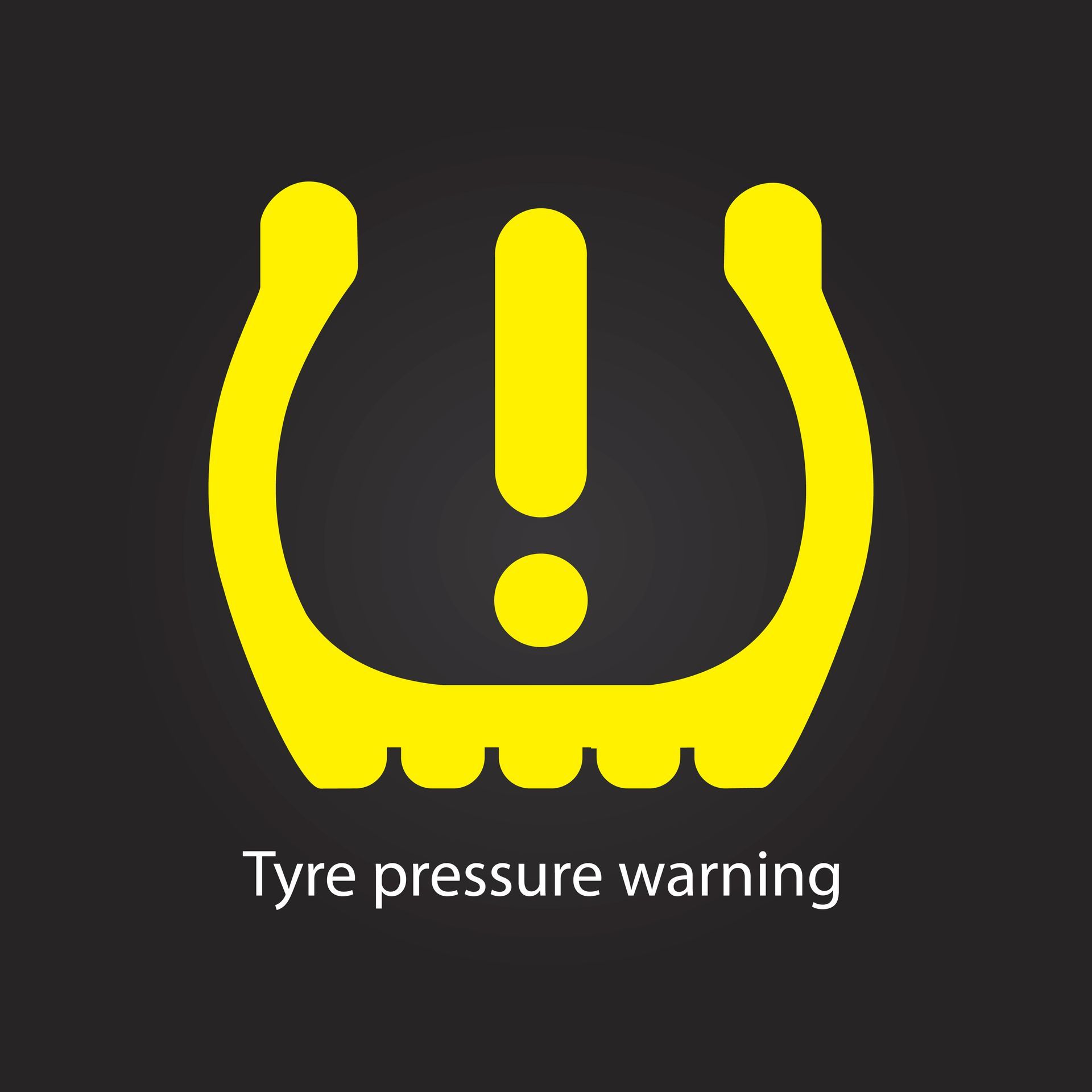
Even a properly repaired suspension cannot provide good control through damaged or unevenly worn tires. Cupped tread, low pressure, inner-edge wear, or a separated belt can make the car feel unstable and may create vibration or pulling.
Suspension wear often causes tire damage, and damaged tires then make the original handling complaint stronger. That is why tire condition, pressure, alignment, and suspension parts should be checked together. Replacing one worn component without checking the tires may leave the vehicle feeling only partially improved.
Why Instability Becomes More Noticeable In Certain Conditions
Suspension concerns often stand out most during highway driving, braking, crosswinds, or sudden steering changes. At lower speeds, the driver may only notice a clunk or slightly rough ride. As speed increases, small amounts of looseness and body movement become easier to feel.
Rain can make the problem more concerning because worn suspension parts reduce the consistency with which the tires contact the road. If the car feels unstable on dry pavement, it may become much less predictable during heavy Florida rain. Early inspection can restore control before wet roads expose the weakness.
How Suspension Problems Are Diagnosed
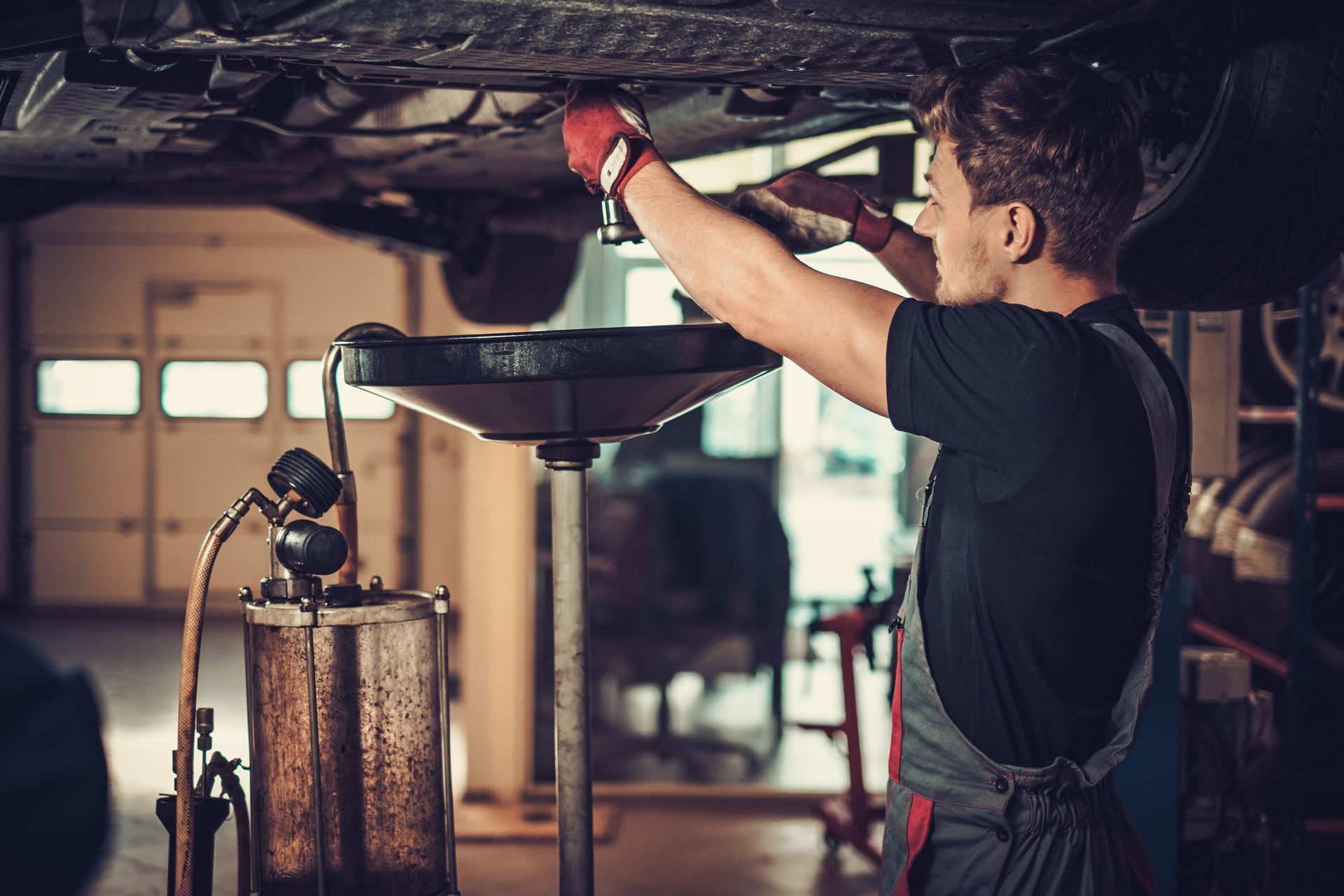
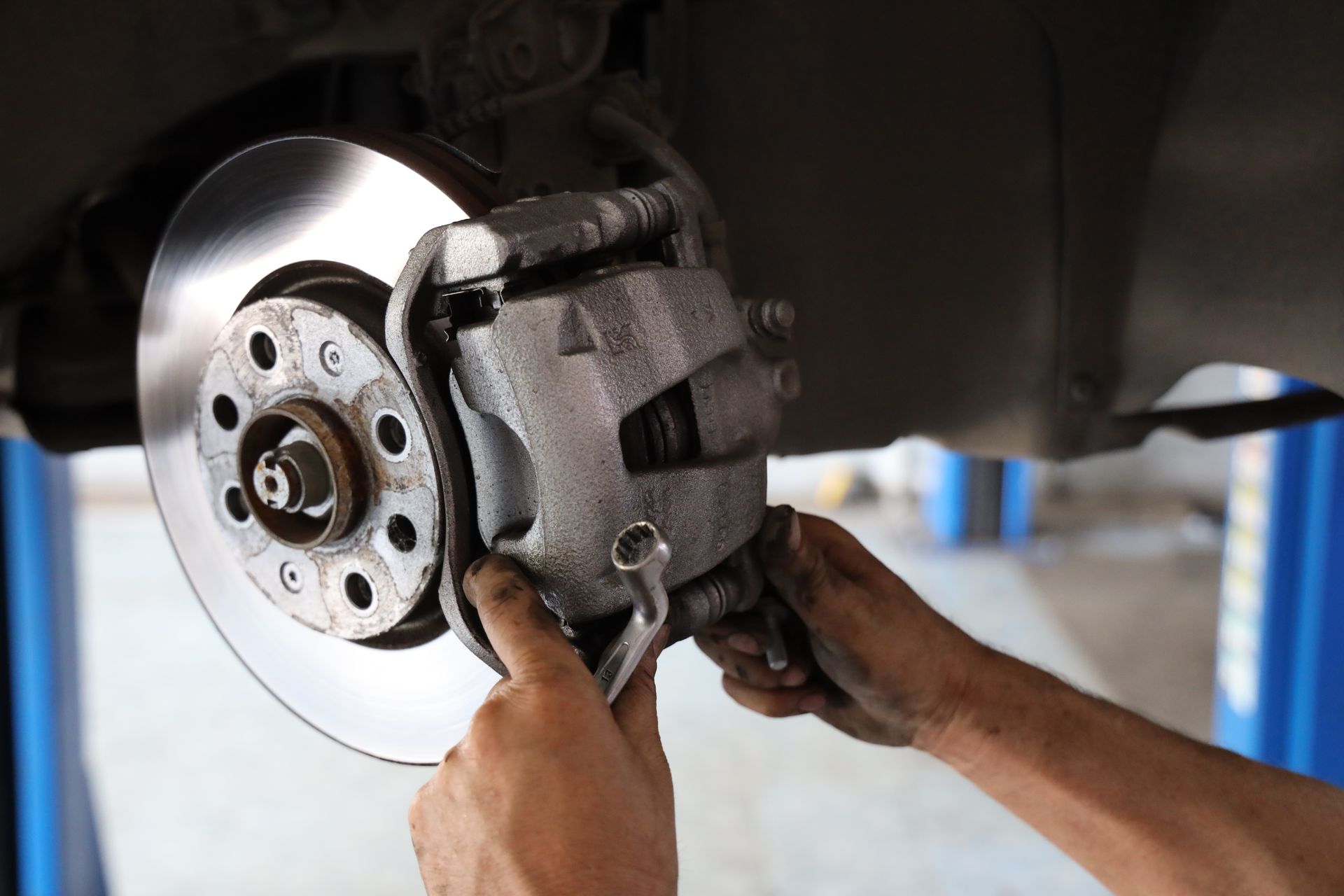
A technician will usually begin with a road test to reproduce the complaint. The vehicle can then be lifted so that the shocks, struts, springs, control arms, bushings, ball joints, tie rods, sway bar components, and wheel bearings can be checked for looseness, leaks, cracks, and damaged mounts.
Alignment measurements and tire wear patterns provide additional clues. Regular maintenance and inspection can catch small amounts of play before several parts are affected. A complete check is more useful than replacing the component closest to a noise because suspension sounds often travel through the body.
Get Suspension Repair In Cape Coral, FL, With George's Complete Auto Repair
If your car wanders, bounces, leans, pulls, or feels unstable during braking and turns, George's Complete Auto Repair in Cape Coral, FL, can inspect the suspension, steering, tires, and alignment.
Contact us to schedule an appointment before worn components make the vehicle harder to control.