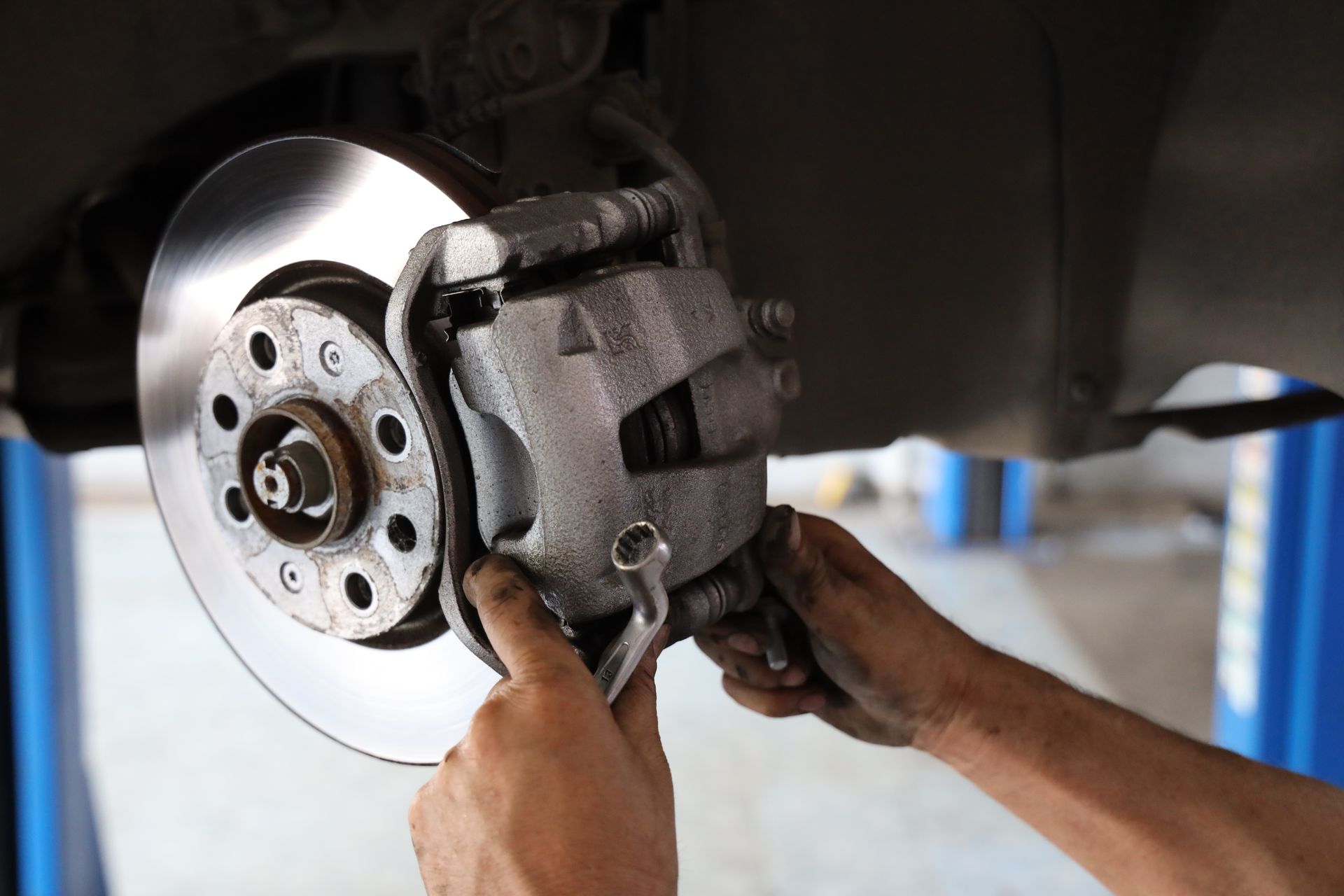
A lot of drivers hear “water pump” on an estimate and know it sounds serious, but they are not always sure what the part actually does. The pump itself is hidden under covers and pulleys, so you only find out about it when something leaks, squeaks, or the temperature gauge climbs too high.
Knowing what the water pump does and when to replace it helps you avoid the kind of overheating that can ruin an engine.
What Your Water Pump Actually Does
The water pump is the heart of the cooling system. Its job is to keep coolant moving through the engine, radiator, and heater core so heat can be carried away and released into the air. If the pump stops pushing coolant, hot spots develop quickly and the temperature can spike in a matter of minutes.
Inside the pump, an impeller spins on a shaft, drawing coolant from the radiator and pushing it through the engine passages. The housing, bearings, and seals all have to work together smoothly. Once those internal parts wear out, the pump may start leaking or lose its ability to move enough coolant to keep temperatures under control.
How Coolant Circulates Through the Engine
When everything is healthy, coolant leaves the radiator cool, enters the water pump, and is pushed through the engine block and cylinder head. As it flows, it absorbs heat from the metal. After that, it routes back to the radiator where air passing through the fins pulls that heat away.
The thermostat helps regulate the path. When the engine is cold, the thermostat stays closed so the coolant warms up quickly. As the engine reaches operating temperature, the thermostat opens and allows full circulation through the radiator. The water pump keeps that whole loop moving. If circulation slows, the engine can overheat even if the thermostat and radiator are fine.
Early Warning Signs of a Weak or Failing Water Pump
Water pumps usually give some clues before they fail completely. Common signs include:
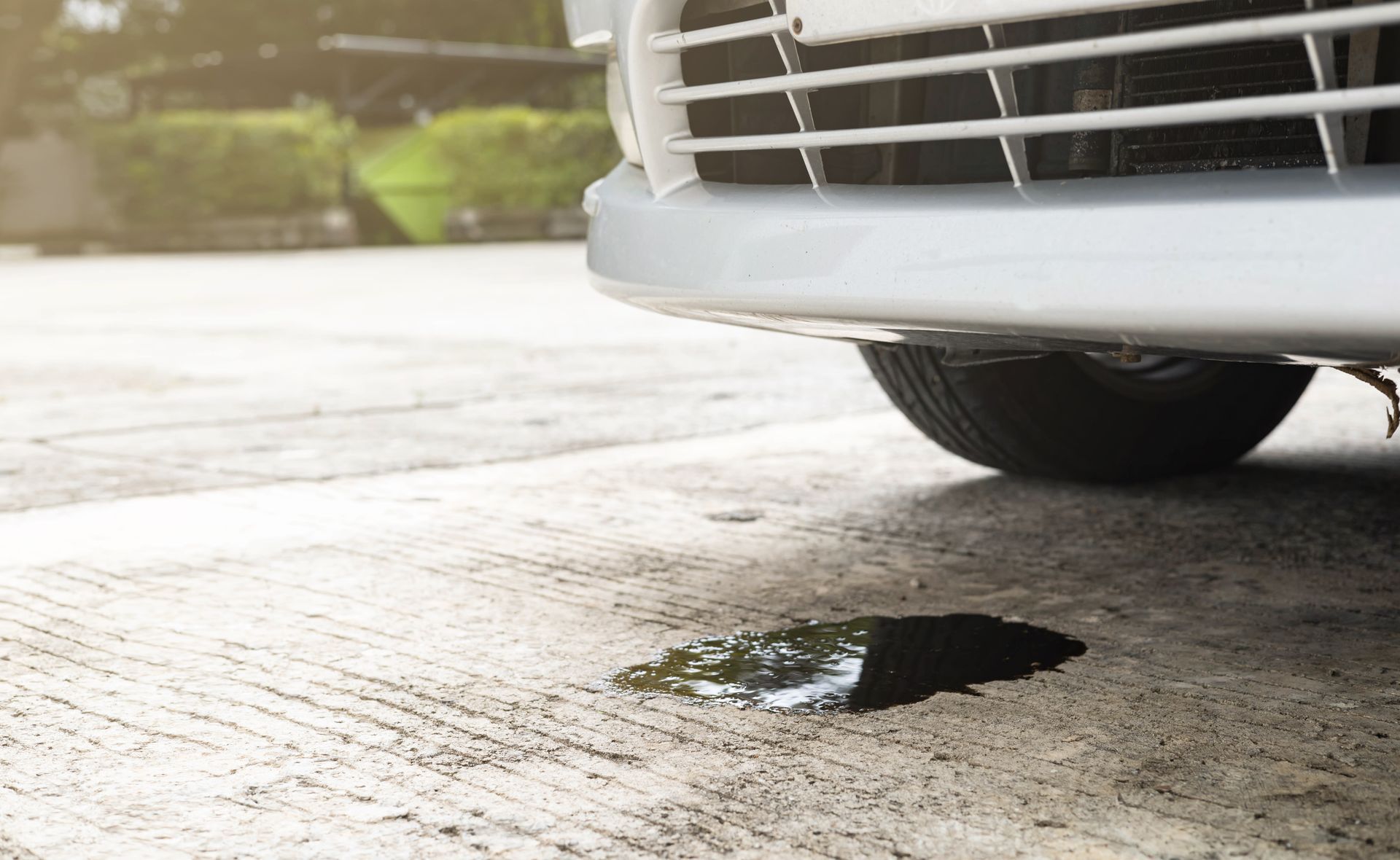
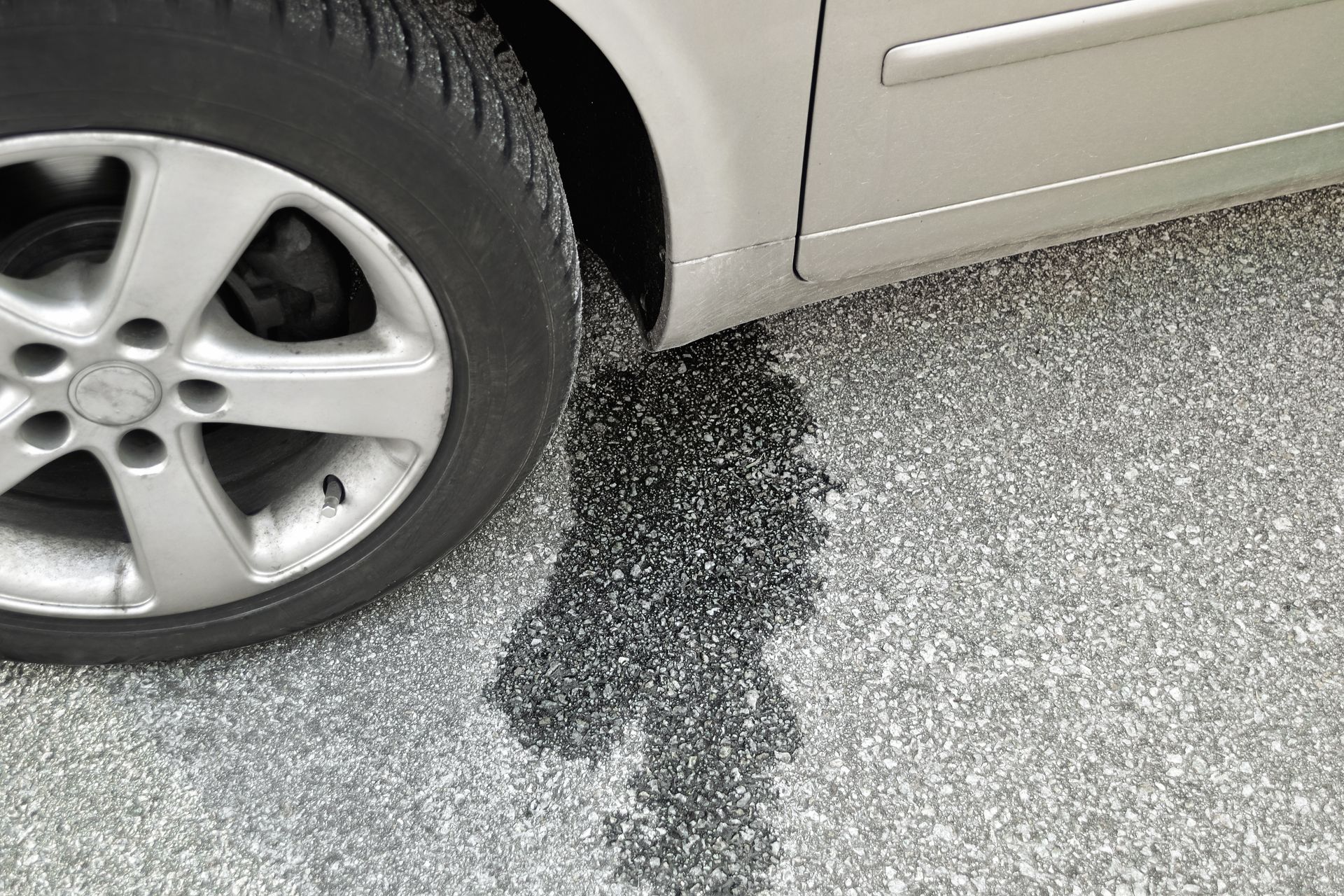
- Coolant dripping from the front of the engine or from a small “weep hole” in the pump housing
- A grinding, growling, or high-pitched whining noise that changes with engine speed
- The temperature gauge creeping higher in traffic, then dropping again at highway speeds
- Visible wobble or looseness at the pulley if you gently move it with the engine off
Sometimes we see pumps that only leak when the engine is hot, so the driveway looks clean even though the system is losing coolant. That is why a pressure test and a good visual inspection matter when tracking down slow losses.
What Happens If You Keep Driving with a Bad Water Pump
A failing water pump usually follows a rough timeline if you ignore the early hints. First, you may see a small coolant spot under the car now and then, or the low coolant light might come on occasionally. The engine still runs at a normal temperature most of the time, so it is easy to shrug it off.
As the leak grows or the bearings wear more, overheating starts to show up. The gauge may jump higher during hills, hot days, or stop-and-go traffic. If the pump finally fails completely or the belt slips off, the temperature can surge into the red very quickly. At that stage, you are only a short drive away from warped cylinder heads, blown head gaskets, or a seized engine.
Shutting the car down at the first clear sign of overheating can be the difference between a cooling system repair and a full engine replacement.
When Should a Water Pump Be Replaced?
There are two main reasons pumps get replaced: failure symptoms or preventative timing. Any time you see active leaks from the pump, hear bearing noise, or notice visible pulley wobble, the pump has moved into the “replace now” category. Overheating that cannot be explained by the thermostat, radiator, or fans also puts the pump high on the suspect list.
Many vehicles have the water pump driven by the timing belt. On those engines, it often makes sense to replace the pump whenever the belt service is due, even if the pump is not leaking yet. You are already paying for labor to get into that area, so installing a fresh pump while everything is apart is a smart way to avoid doing the same job twice. As technicians, we usually talk through that choice with you so you can compare the cost now versus the risk of a failure later.
Owner Mistakes to Avoid with Cooling System Repairs
A few well-meaning shortcuts can shorten the life of a good water pump or hide a failing one:
- Topping off coolant without finding the leak source
- Mixing random coolant types instead of using the correct specification
- Using straight water for long periods instead of the proper coolant mix
- Ignoring small noises at the front of the engine until a belt or pulley fails
We often see pumps that might have lasted longer if the cooling system had been serviced on schedule with the right coolant. Clean, correct fluid helps protect the seals and internal surfaces so the pump can do its job for many years.
Get Water Pump Inspection and Replacement in Cape Coral, FL with George's Complete Auto Repair
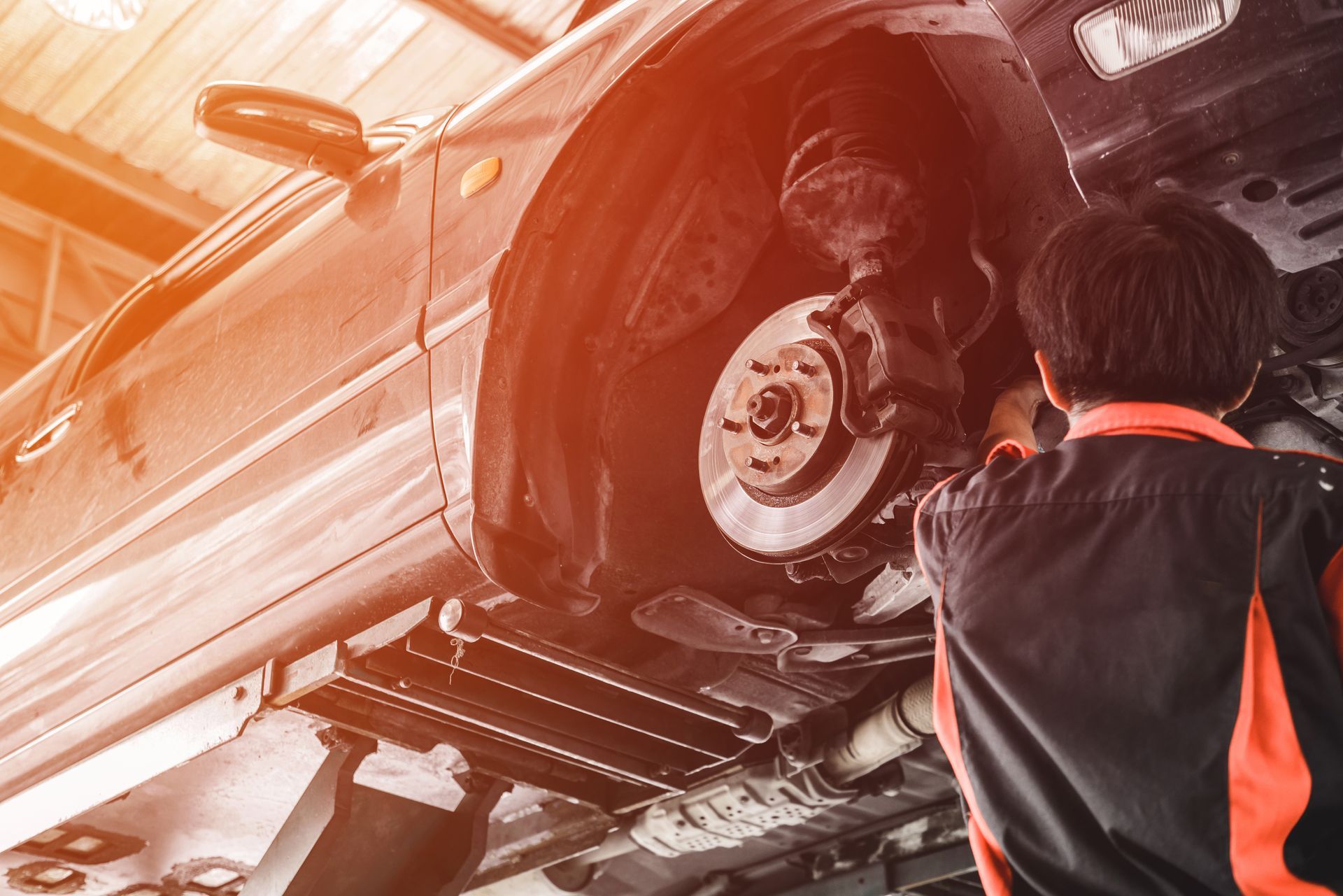
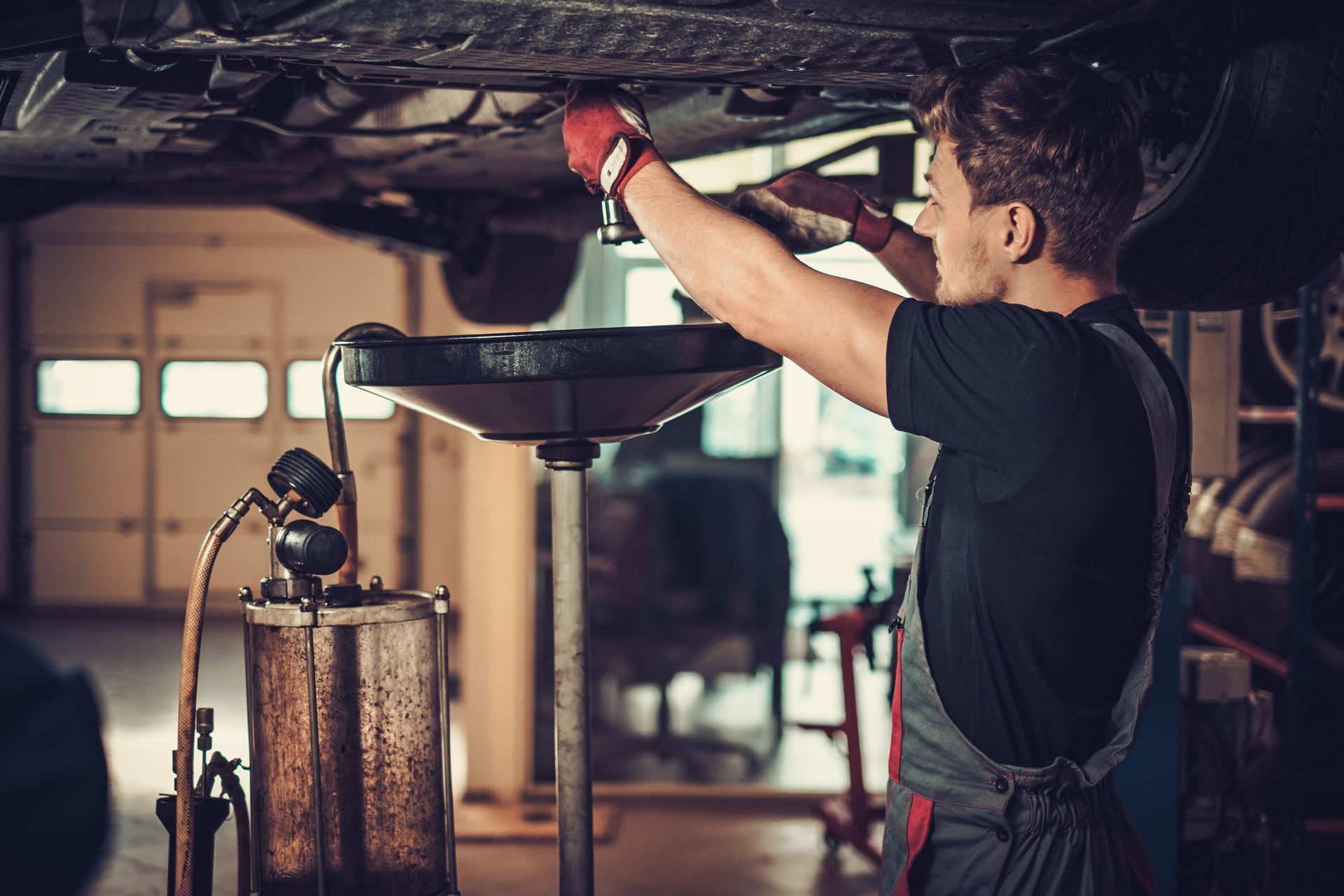
If you have noticed coolant leaks, rising temperatures, or new noises from the front of the engine, this is a good time to have the water pump and cooling system checked. We can pressure-test the system, inspect the pump, belts, and pulleys, and let you know whether a repair is needed now or can be planned. We aim to protect your engine from overheating and give you clear options before small issues turn into major damage.
Schedule water pump inspection and replacement with
George's Complete Auto Repair in Cape Coral, FL, and we will help keep your engine running cool and confident.