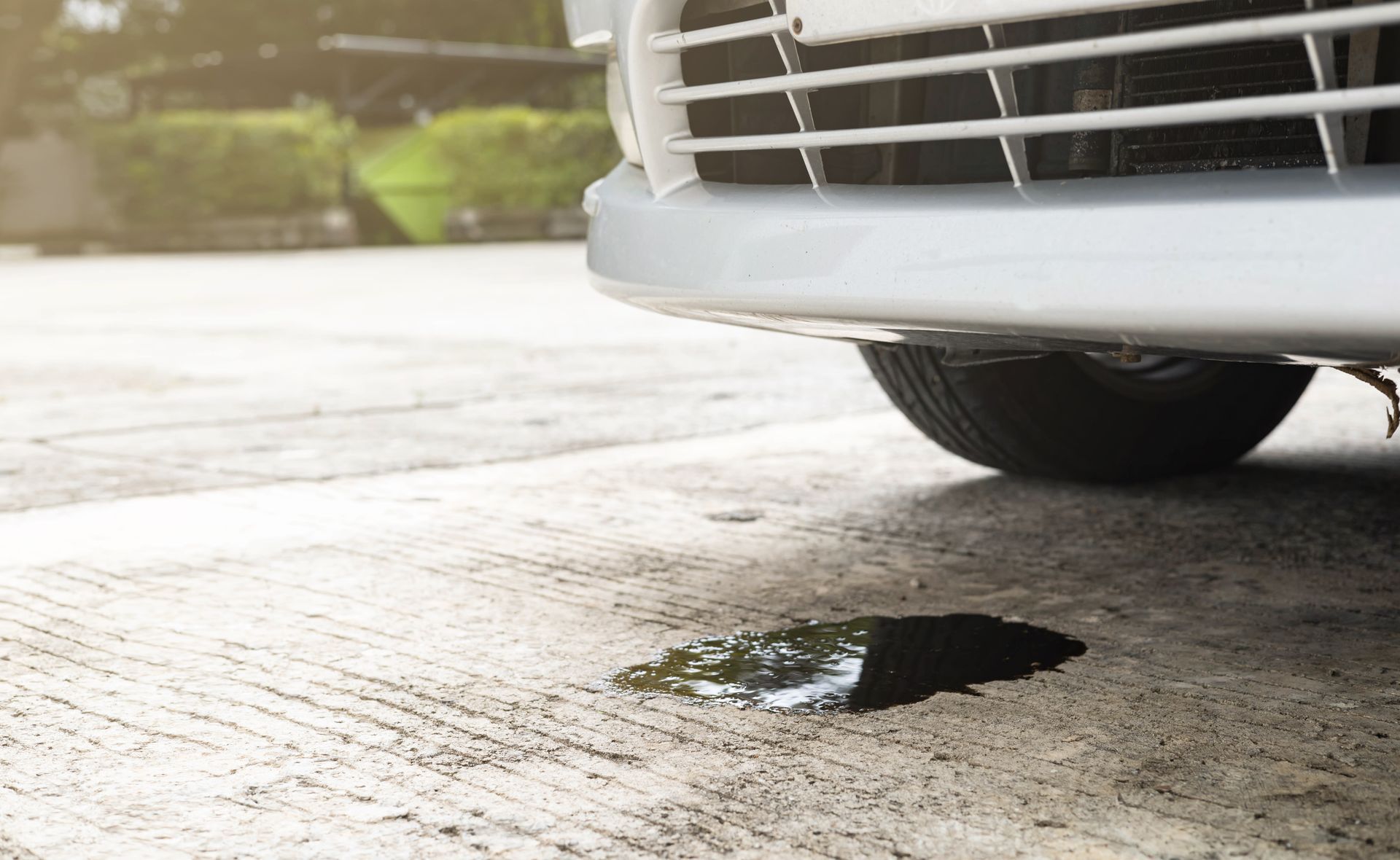
Seeing a puddle under your car can be alarming, especially if it’s green, pink, or orange in color. These are often signs of a coolant leak, and ignoring it could lead to overheating, engine damage, or a sudden breakdown. Coolant, also known as antifreeze, helps regulate your engine’s temperature, so when it starts to escape, the consequences can build up quickly.
If you’ve spotted fluid under your car or noticed the temperature gauge creeping higher than normal, here’s what might be going on and why it’s best to get it checked out soon.
What Coolant Does for Your Engine
Coolant circulates through your engine and radiator to absorb heat and keep things at a stable operating temperature. Without it, your engine could overheat quickly, especially during Florida’s warm months. It also prevents freezing in colder temperatures and contains rust inhibitors that protect metal components inside the cooling system.
When coolant starts leaking, the system can’t do its job properly. Even a small leak can become a big problem if it goes unnoticed for long.
Common Signs of a Coolant Leak
One of the most obvious signs is fluid pooling beneath the vehicle, typically near the front. But coolant leaks aren’t always visible. You might also notice:
- A sweet smell coming from the engine bay
- Steam rising from the hood
- The temperature gauge rising more quickly than usual
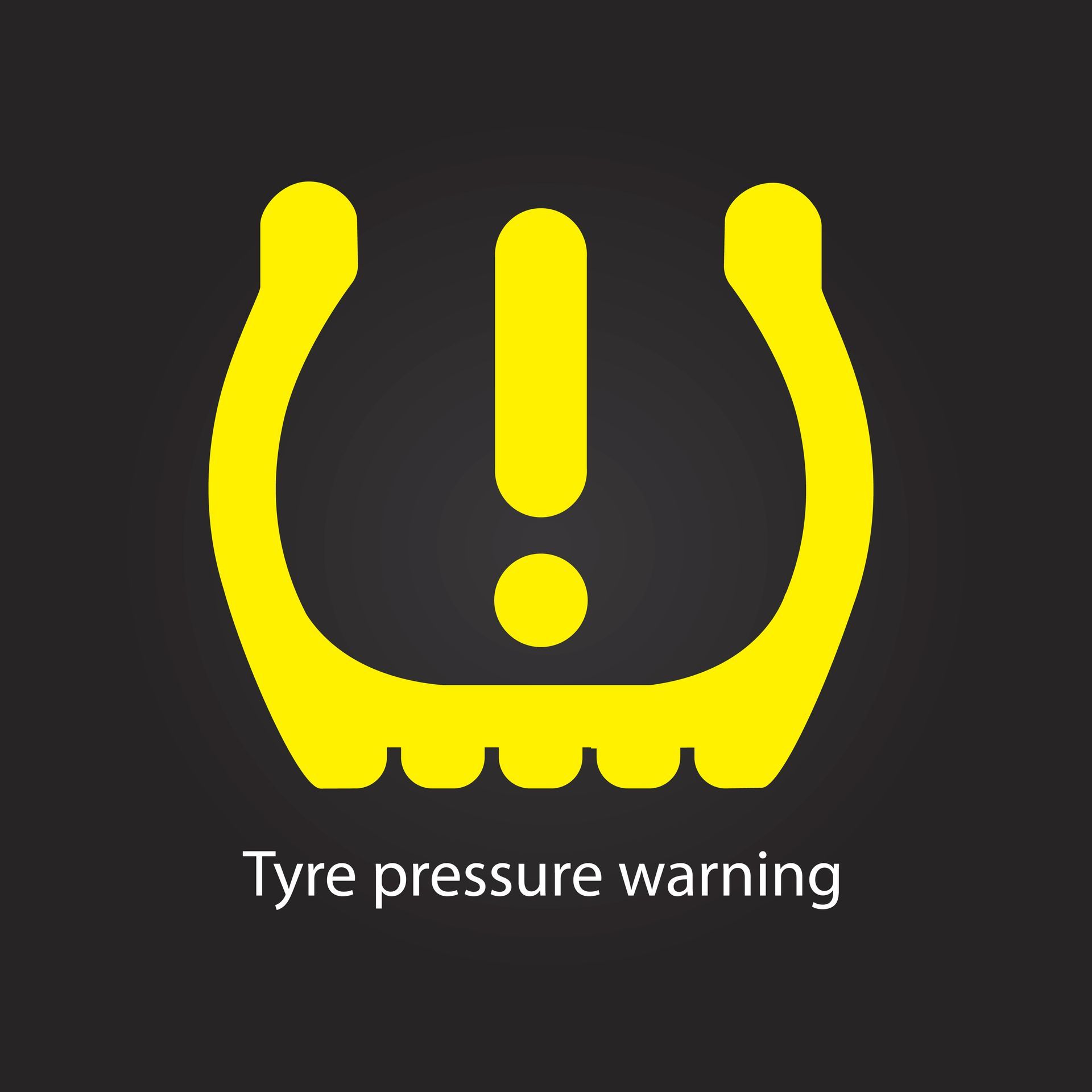
- The low coolant warning light coming on
- White smoke from the tailpipe (in more serious cases)
These are all signs that something in the cooling system is failing and may be leaking coolant.
Where Leaks Typically Happen
Coolant can leak from a variety of spots, including:
- Radiator: Cracks or corrosion can allow coolant to seep out.
- Hoses: These rubber parts can wear out or develop splits over time.
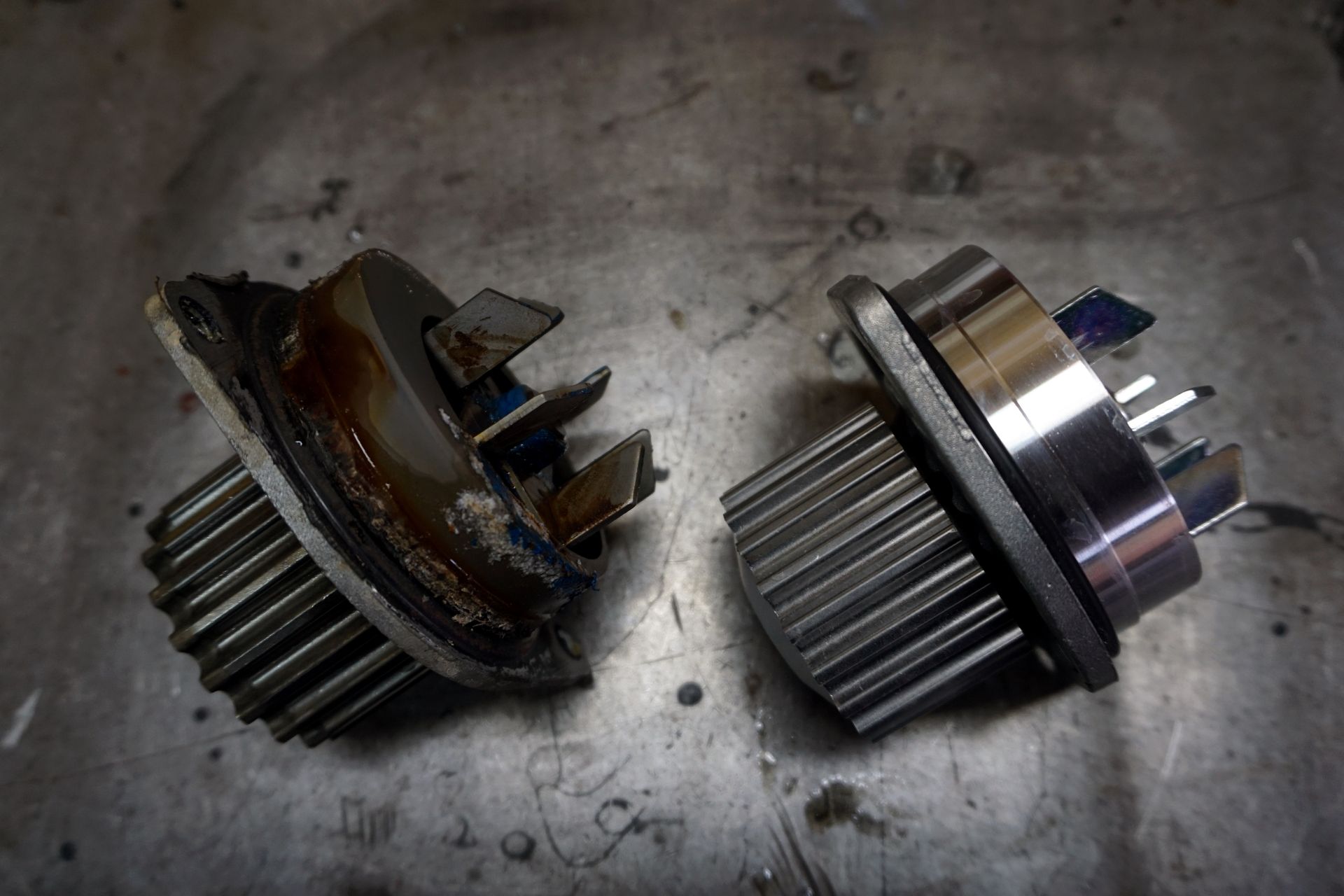
- Water pump: A failing water pump can leak where it connects to the engine.
- Heater core: Leaks from the heater core often show up inside the cabin as a damp carpet or foggy windows.
- Reservoir tank: If the tank is cracked or the cap is loose, coolant can escape.
Sometimes the leak is small and only appears when the engine is hot and pressure builds up. That’s why even intermittent signs should be taken seriously.
What Happens If You Keep Driving
It might seem okay to top off the coolant and keep driving, but that’s only a short-term fix. Leaks usually don’t go away on their own. If you keep losing coolant, your engine may eventually overheat. That can warp metal components, blow a head gasket, or even crack the engine block.
In more severe cases, you might lose all the coolant and cause the car to stall, leaving you stuck on the side of the road. That’s why it’s better to find the source of the leak and take care of it before bigger problems arise.
Can You Check for Leaks at Home
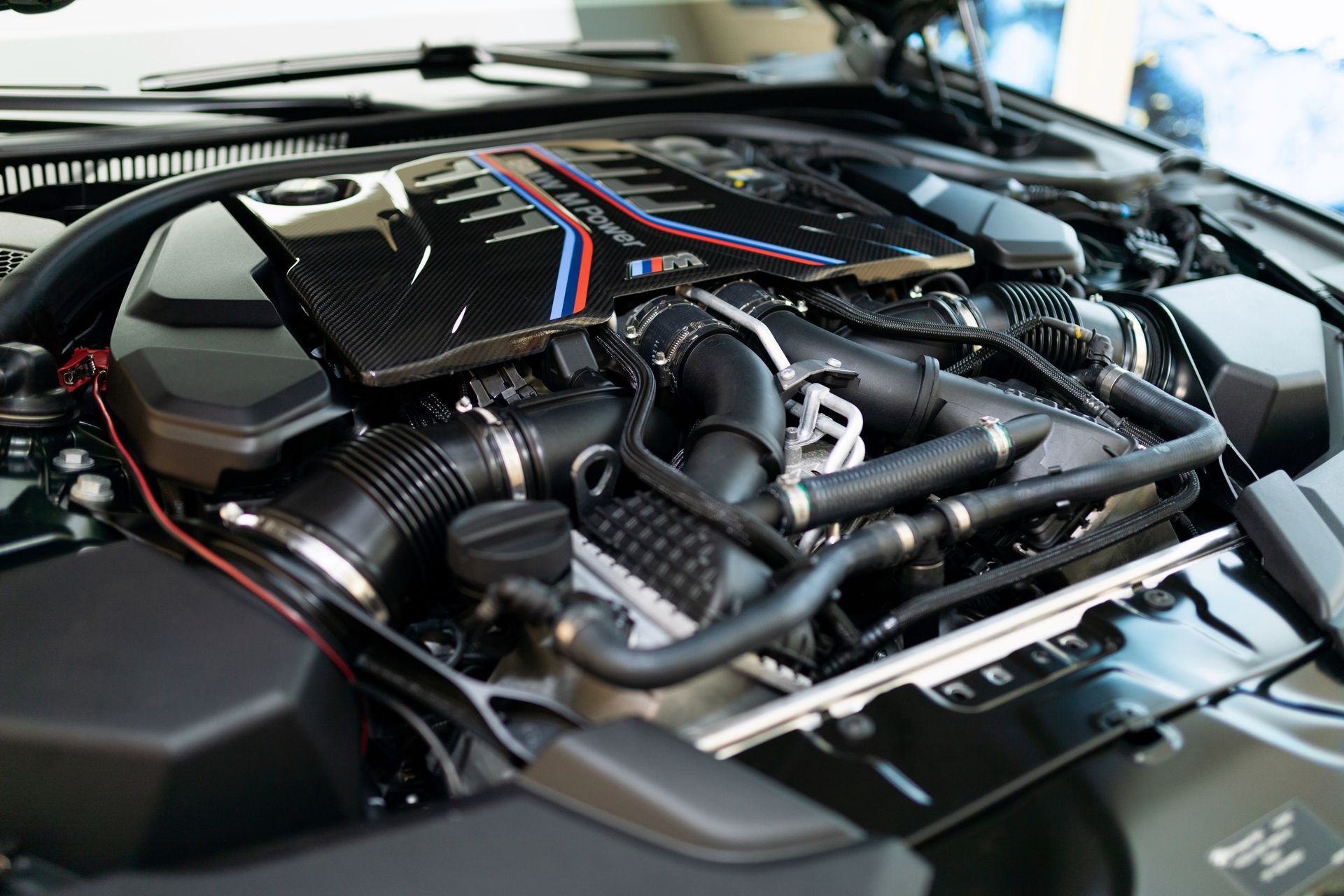
If you're comfortable opening the hood, you can do a few simple checks. Look for visible wet spots or dried crusty buildup around hoses, the radiator, and the reservoir. Always do this when the engine is cool to avoid burns or pressure release. You can also check the coolant level in the overflow tank and monitor how quickly it drops between drives.
Still, some leaks can be hard to spot without pressure testing the system, which is why a professional inspection is often the safest approach.
The Role of Coolant Quality
Sometimes it’s not just a leak that causes problems, but the quality of the coolant itself. Old or contaminated coolant can eat away at internal components and cause leaks to form. If your coolant is dirty, rusty, or hasn’t been changed in years, it may be time for a full cooling system service.
Regular maintenance, including flushes and inspections, helps extend the life of your cooling system and prevents leaks before they start.
Get Help with Coolant Leaks at George's Complete Auto Repair in Cape Coral, FL
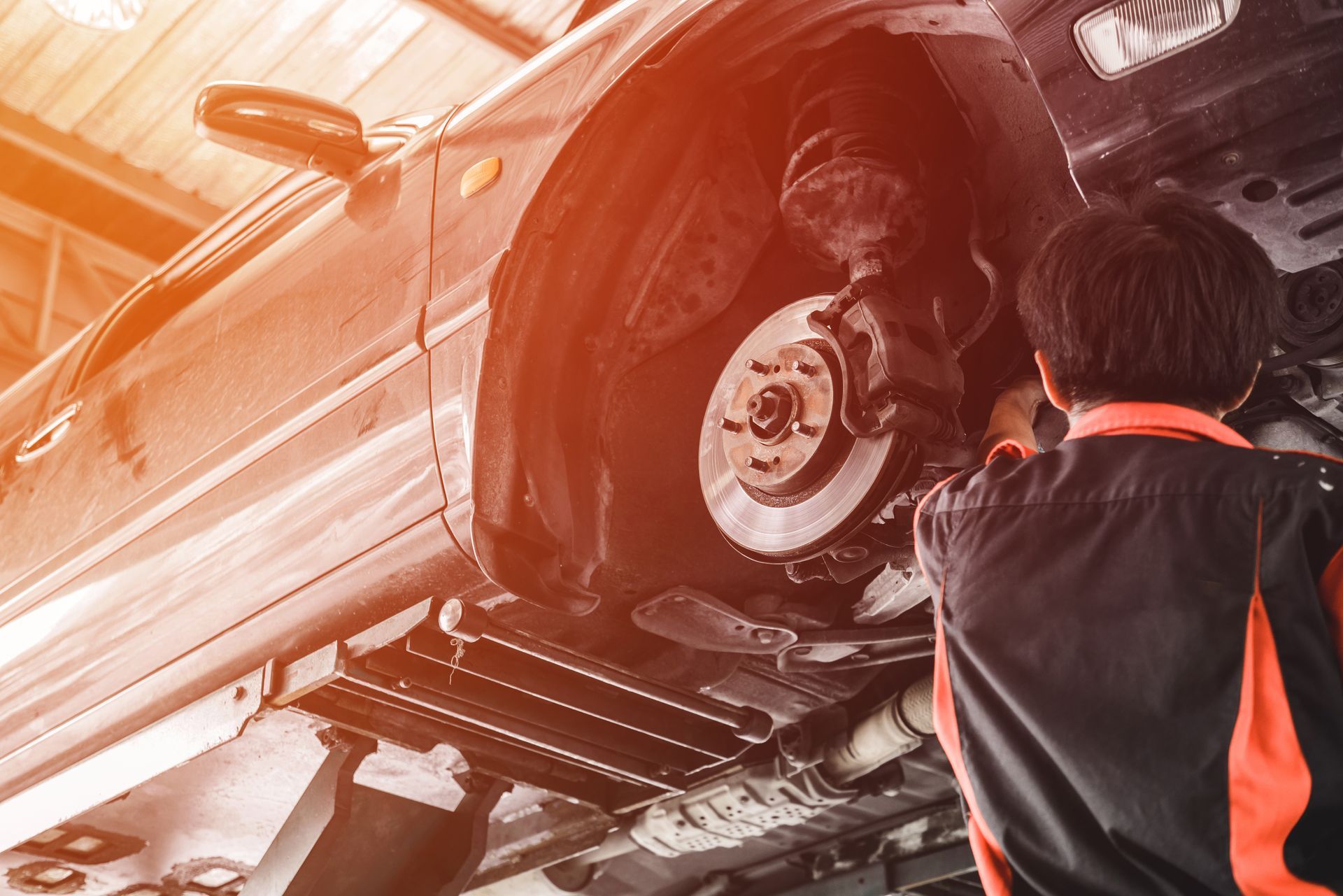
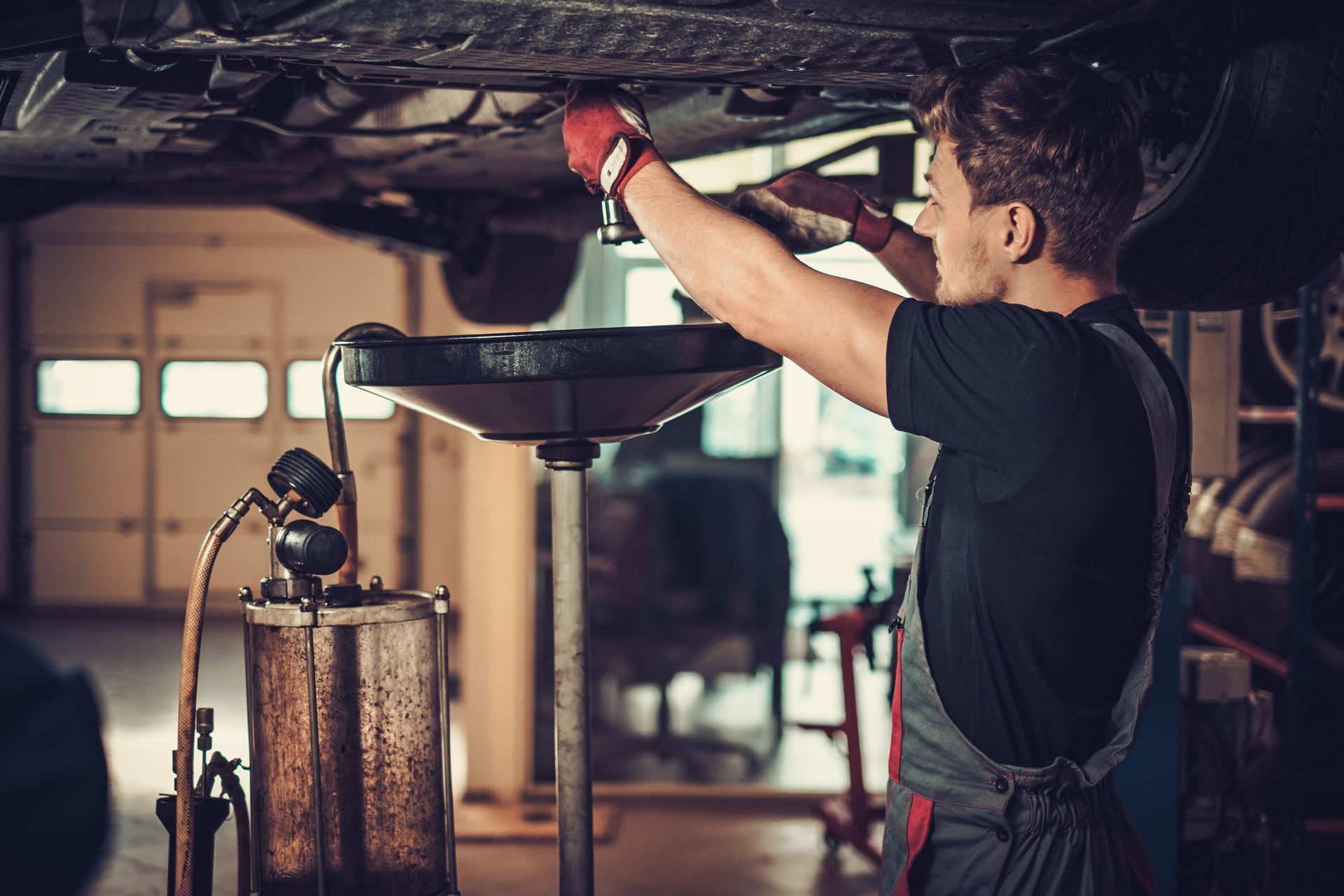
If you suspect your car is leaking coolant, bring it to George’s Complete Auto Repair in Cape Coral. Our technicians will inspect the entire cooling system, locate any leaks, and let you know exactly what needs to be done to fix the problem. A quick visit today can save you from expensive engine damage later.
Schedule a cooling system check and keep your engine running cool and reliable.