Car noises have a way of starting small, then taking up more space in your brain every time you drive. You turn the radio down, listen harder, and start guessing what it could be.
Some sounds truly are harmless, but a handful are worth treating like an early warning. If you can match the noise to a likely cause, you can decide what needs attention now and what can be scheduled without stress.
1. Grinding When Braking
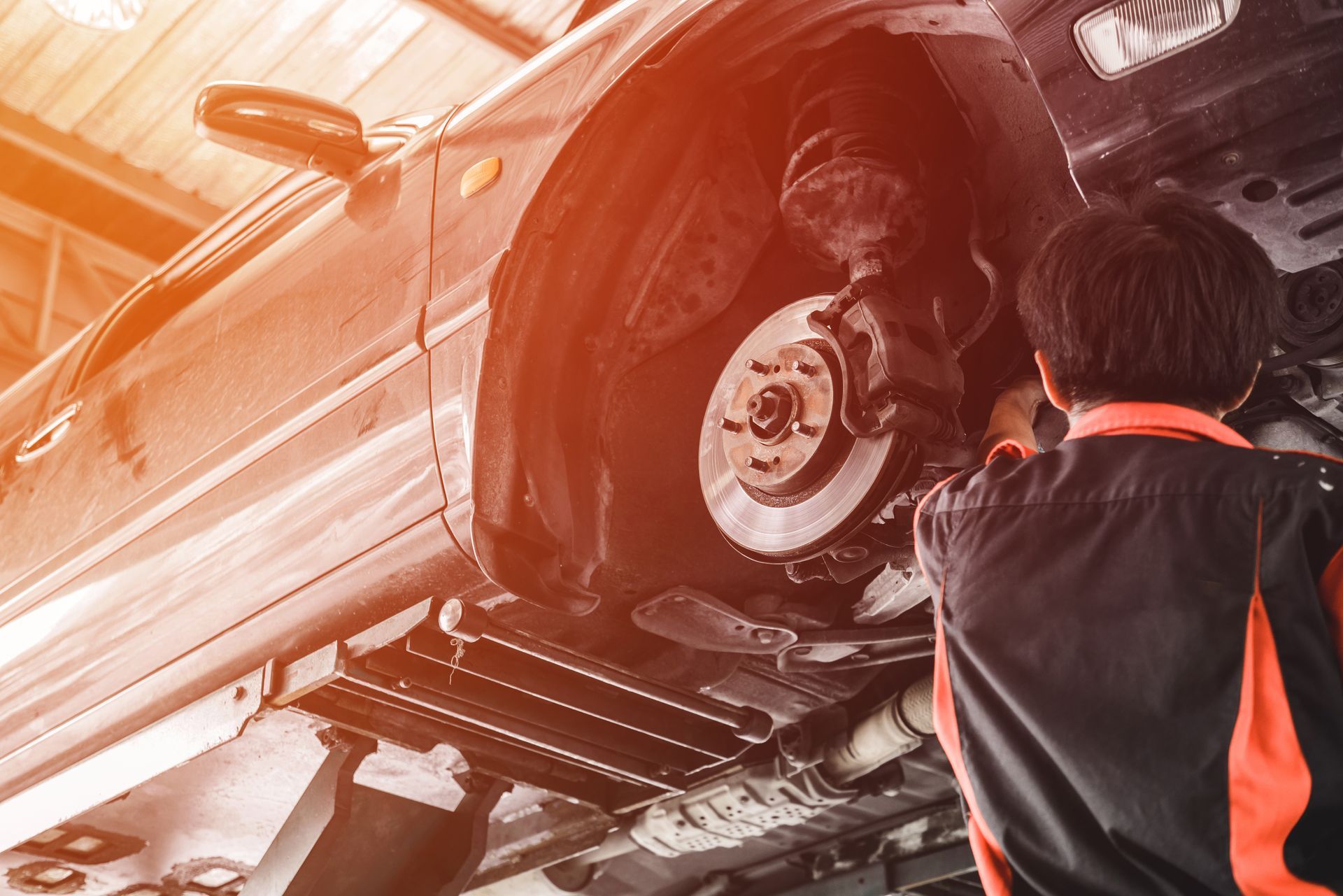
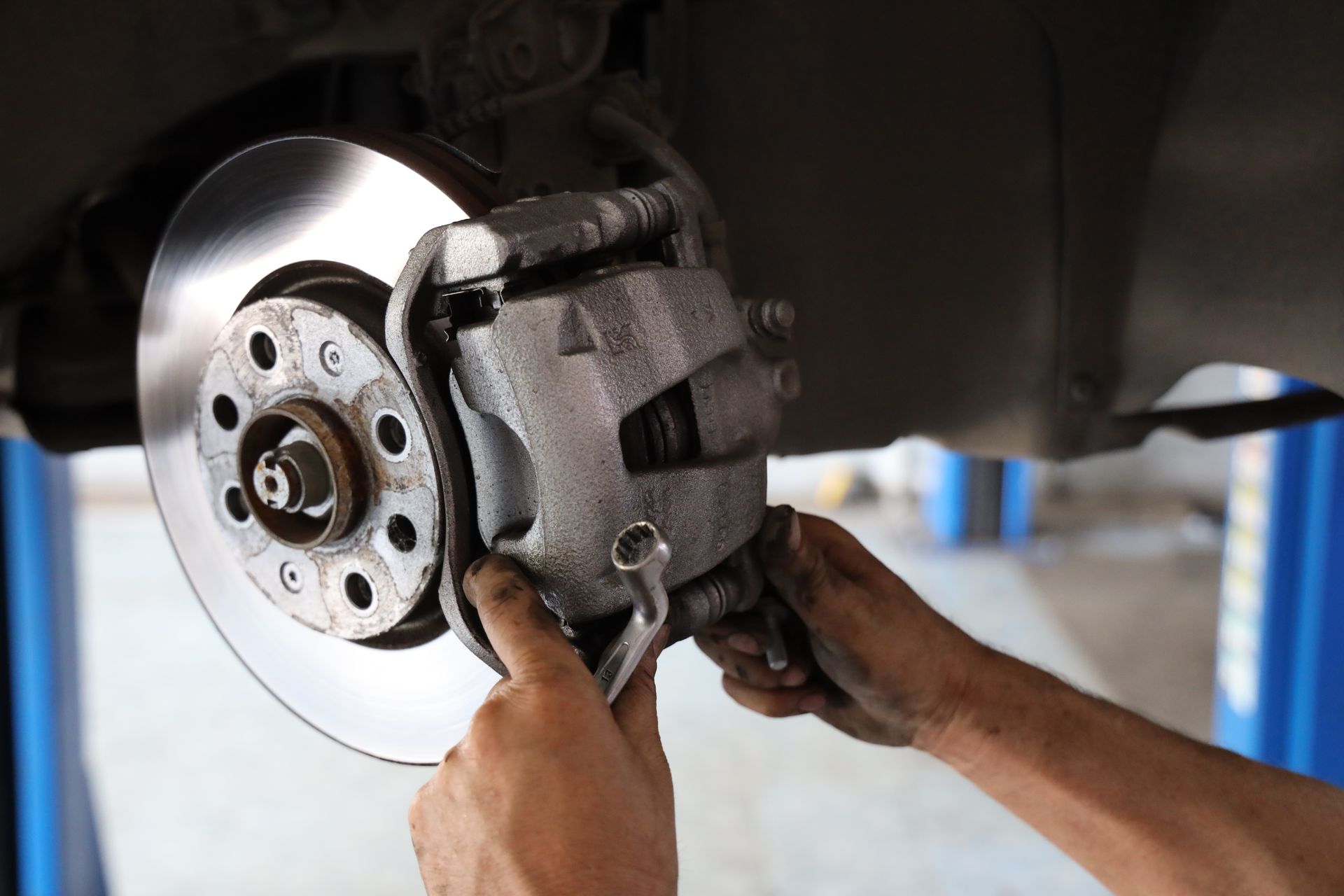
Grinding during braking often means the pads are worn too far, and metal is contacting the rotor. Sometimes it can also be rust scale or debris caught near the rotor, but a true grind is rarely a nothing issue. If the sound gets worse right at the end of a stop, or you feel a vibration in the pedal, rotor damage may already be happening. The sooner it is checked, the better your odds of avoiding replacing more parts than necessary.
2. Knocking From The Engine Under Load
A knock that shows up during acceleration, uphill driving, or when the engine is working harder can point to problems you do not want to guess about. In some cases, it may be fuel-related, such as incorrect octane for the vehicle or carbon buildup causing abnormal combustion. In other cases it can be mechanical wear or a timing-related issue that needs testing. If it is a new knock that was not there last week, treat it as a reason to schedule a diagnostic soon.
3. Squealing Belt Noise On Startup Or Turns
A squeal that happens at startup or when you turn the steering wheel can be a belt slipping or a pulley bearing starting to fail. Sometimes it shows up only when it is damp outside, which can make it seem random. If it changes with RPM and gets louder when accessories are working, that is a useful clue. A belt that is worn, glazed, or loose can fail without much warning once it starts slipping regularly.
4. Clicking Or Popping While Turning
Clicking during turns often points toward a CV axle problem, especially if it is loudest on tighter turns or when accelerating through a turn. It can also come from suspension components with play, like a worn ball joint or sway bar link, depending on the exact sound and when it happens. If the noise is accompanied by steering wheel vibration or the car feels unsettled over bumps, the suspension angle is more likely. We usually recommend checking this sooner rather than later, because a worn joint can progress from noise to real handling issues.
5. Humming Or Growling That Rises With Speed
A hum or growl that gets louder as speed increases often suggests a wheel bearing or tire problem. Tires can create a similar sound when they wear unevenly, so it is important to confirm which one it is before replacing anything. A wheel bearing noise often changes slightly when you shift weight, like a gentle lane change, because the load moves from one side to the other. If you notice the sound changes on curves, that detail helps narrow down which corner needs attention.
6. Rattling Under The Car On Acceleration
A metallic rattle under the vehicle, especially during acceleration or on bumps, can point to exhaust heat shields, loose exhaust hangers, or worn mounts. It might sound like something is bouncing around, and it can come and go depending on engine load. A small rattle can be a simple fix, but it can also signal that exhaust components are shifting out of place. If the rattle is paired with a louder exhaust tone or a vibration you feel in the seat, it is worth getting it on a lift for a quick inspection.
7. Whistling Or Hissing From Under The Hood
A whistle or hiss can come from an air leak in the intake, a vacuum hose issue, or even a small exhaust leak near the engine. It often changes with throttle input, which is why drivers notice it most when accelerating or climbing a hill. If it is paired with a rough idle, sluggish response, or a check engine light, the engine may be compensating for unmetered air. If you are unsure what to do next, these steps help you decide:
- If the noise is new and getting louder week to week, schedule an inspection soon.
- If the car feels different, hesitates, or idles unevenly, avoid hard acceleration until it is checked.
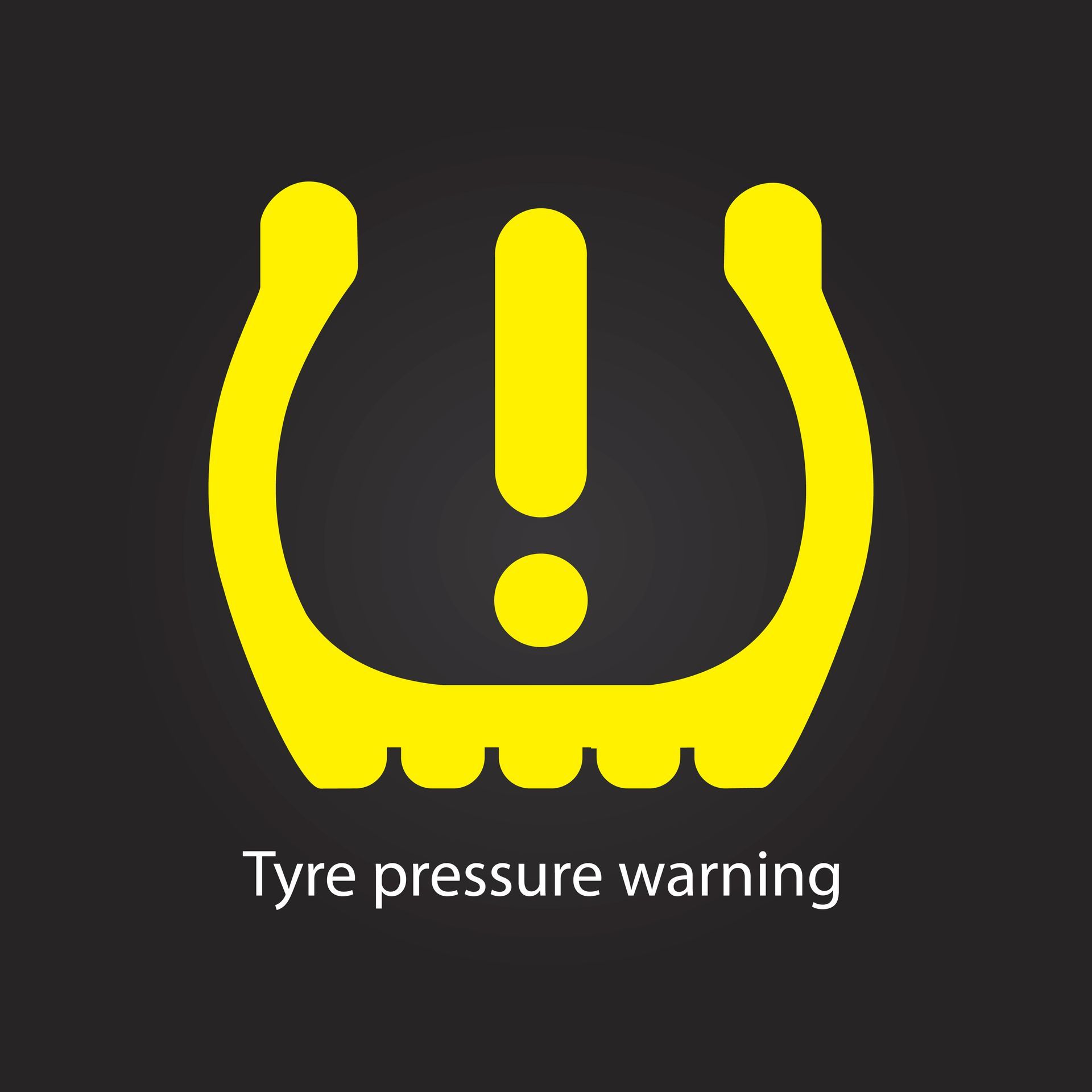
- If a warning light appears, note when it happened and what the car was doing at the time.
- If you smell something burning or hear a loud change suddenly, stop driving and get help.
Get Car Noise Diagnostics in Cape Coral, FL with George's Complete Auto Repair
We can track down where the sound is coming from and confirm whether it is brakes, suspension, belts, exhaust, or an engine-related issue. We’ll explain what we found in plain language and lay out the next step without pushing for guesswork repairs.
Call
George's Complete Auto Repair in Cape Coral, FL to schedule a noise inspection and get back to driving with less uncertainty.