Oil changes are not the most exciting part of owning a car, which is probably why they get pushed off so easily. The car still starts. The engine sounds normal enough. No warning light is on, so another week does not feel like a big deal.
That is where trouble can creep in. Engine oil is one of the few things protecting metal parts that move thousands of times per minute. When the oil is old, low, dirty, or not suited to the engine, wear can build up long before the driver notices anything strange.
1. Waiting Too Long Between Oil Changes
The most common oil change mistake is simply stretching the interval too far. Maybe life gets busy, or the mileage sticker fades into the background. Some drivers also assume modern oil can handle almost anything, so they keep driving past the recommended service window.
Oil does not fail all at once. It slowly breaks down from heat, fuel residue, moisture, and normal engine wear. Once it gets too old, it cannot protect bearings, timing parts, camshafts, turbochargers, and internal surfaces as well as it should. That does not mean the engine will fail the next day, but the wear adds up.
Driving habits also change the timeline. Short trips, stop-and-go traffic, long idling, heat, and dusty roads can be hard on oil. In Cape Coral, warm weather and daily local driving can make regular maintenance especially important because the engine spends so much time working in the heat.
2. Driving With Low Oil
Low oil is more dangerous than many drivers realize. The engine not only needs clean oil. It needs enough oil. If the level drops too far, the oil pump may not be able to keep a steady pressure through the engine.
That can lead to ticking, knocking, low oil pressure warnings, overheating parts, or internal wear. Some engines burn oil between services. Others lose oil through leaks that never leave much of a puddle. A valve cover leak may drip onto hot parts and burn off. A worn engine may consume oil through the combustion chamber.
Checking the dipstick between oil changes is a simple habit that can prevent expensive damage. If the level keeps dropping, topping it off is only a temporary step. The real question is where the oil is going.
3. Using The Wrong Oil
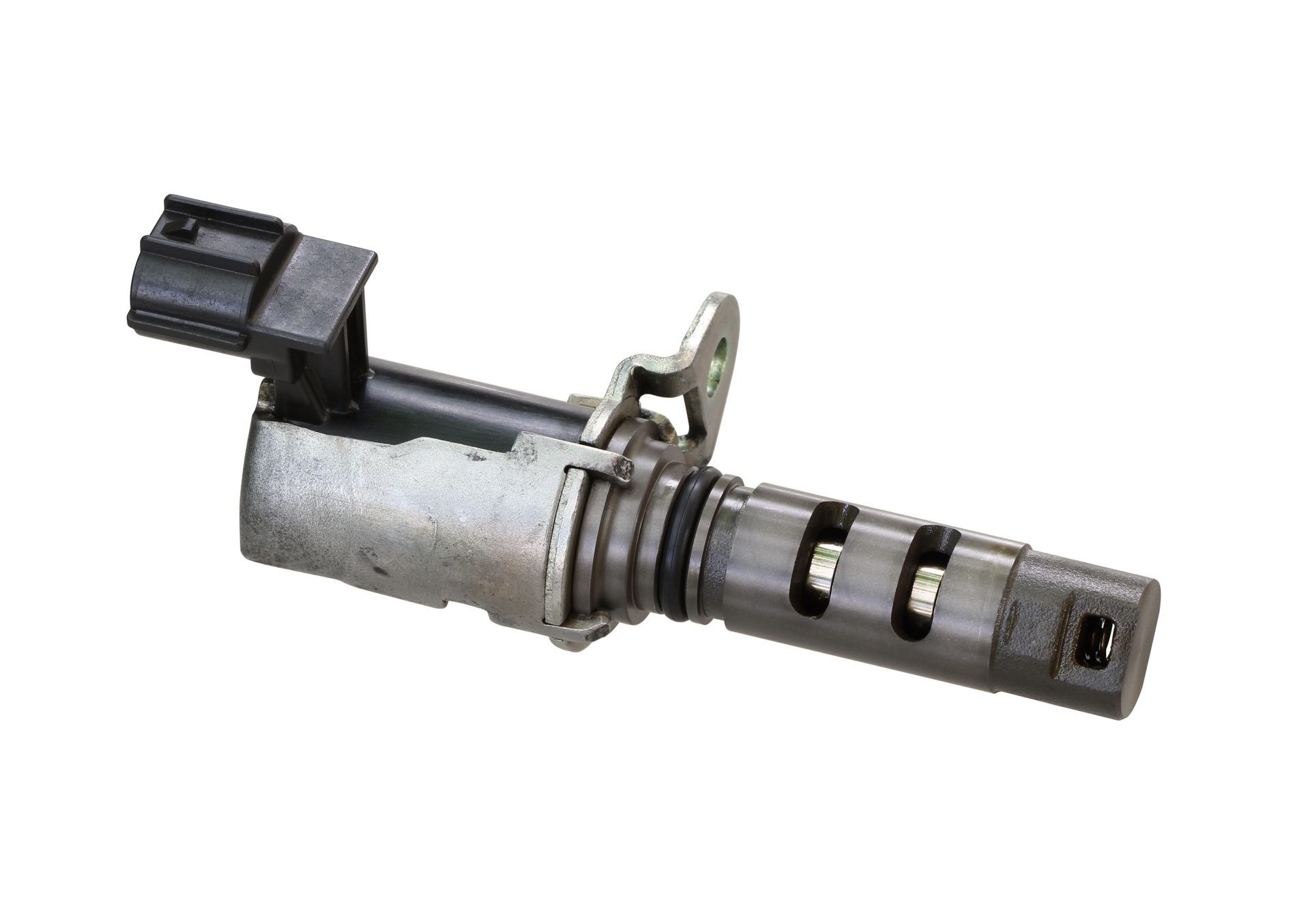
Oil type is not something to choose by price alone. Engines are built with specific oil viscosity and performance requirements. The wrong oil can flow poorly, protect less under heat, or fail to meet the needs of timing components, variable valve timing, turbo systems, and fuel economy.
Using oil that is too thick or too thin can change oil pressure and lubrication. Using oil that does not meet the right specification can create long-term problems that are not obvious right away. The engine may sound fine for a while, but the wrong oil can still increase wear.
This is especially important on newer vehicles. Many engines require full synthetic oil or a very specific formula. A proper oil change should match the oil to the vehicle, not treat every car like it uses the same product.
4. Ignoring Oil Leaks And Burning Smells
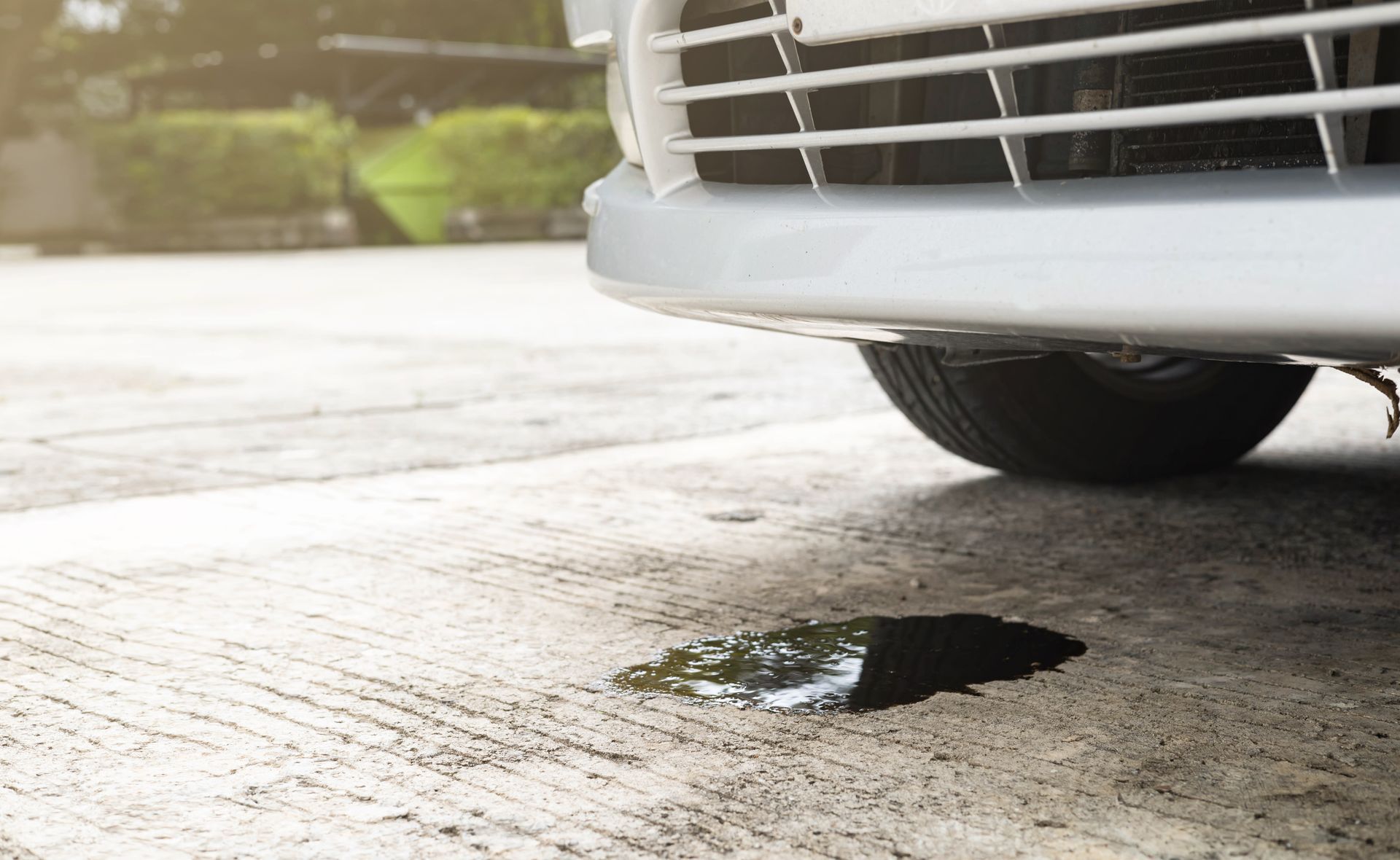
A small oil leak is easy to downplay. A little spot on the driveway or a faint burning smell after driving might not seem serious. The risk is that leaks rarely stay perfectly small forever, and even small leaks can spread oil onto other parts.
Oil can damage rubber hoses, soften engine mounts, collect on belts, and smoke when it hits hot exhaust components. If enough oil leaks out, the level can drop below the safe range. A burning smell is your clue that oil may already be reaching hot surfaces.
The source is not always obvious. Oil can run down from a higher gasket and drip from a completely different area. That is why an inspection during oil service is useful. It can show whether the leak is just beginning or already affecting nearby components.
5. Skipping The Oil Filter
Changing oil without replacing the oil filter is a mistake that defeats much of the service. The oil filter catches small particles and debris as oil moves through the engine. If an old filter stays in place, fresh oil has to pass through a filter that may already be dirty or restricted.
A poor-quality filter can also cause problems. It may not filter as well, seal properly, or handle the pressure the engine requires. The right filter helps keep oil cleaner between services and supports proper flow.
The oil filter is not the place to cut corners. Fresh oil and properly filtered oil work together. One without the other does not give the engine the same level of protection.
Why Oil Change Habits Protect The Whole Engine
Good oil change habits do more than prevent sludge. They help protect timing chains, bearings, piston rings, valve train parts, turbochargers, seals, and gaskets. They also give a technician a chance to spot leaks, low fluids, worn belts, and other concerns while the vehicle is in the shop.
That does not mean every visit should turn into a long repair list. It means the car gets looked over before small signs become expensive surprises. Oil service is basic, yes, but it is also one of the best chances to catch engine problems early.
Get Oil Change Service In Cape Coral, FL, With George's Complete Auto Repair
If your oil is overdue, low, leaking, dirty, or you are not sure which oil your vehicle needs, George's Complete Auto Repair in Cape Coral, FL, can help with the right oil change service for your engine.