Variable valve timing helps modern engines make good power without wasting fuel at lower speeds. The system adjusts camshaft timing as driving conditions change, allowing the engine to breathe differently at idle, during acceleration, and while cruising.
A variable valve timing solenoid, commonly called a VVT solenoid or oil control valve, controls the flow of engine oil to the camshaft timing mechanism. When the solenoid becomes clogged, sticks, or fails electrically, the camshaft may stop responding the way the engine computer expects. The symptoms can range from a slightly rough idle to a noticeable loss of power.
1. The Engine Starts Idling Rough
A failing VVT solenoid can leave the camshaft in the wrong position at idle. When valve timing isn't where it should be, combustion becomes less consistent, and the engine can start shaking or surging while you are stopped.
You may notice the RPM moving up and down slightly at a traffic light or feel more vibration through the seat and steering wheel. At our shop, we do not assume every rough idle comes from variable valve timing. Vacuum leaks, worn spark plugs, ignition coils, dirty throttle components, and fuel problems can feel very similar, so we compare the symptoms with engine data before focusing on the VVT system.
2. Acceleration Feels Weak or Hesitant
Camshaft timing changes as you ask the engine for more power. If the VVT solenoid cannot direct oil pressure correctly, the camshaft may respond too slowly or fail to move to the commanded position.
The result can feel like hesitation when you press the accelerator, weaker pull at higher RPM, or an engine that simply does not feel as responsive as it used to. Sometimes the problem is intermittent. The car may accelerate normally during one drive and feel flat during the next, especially if the solenoid is sticking rather than completely failing.
A vehicle with turbocharging can make this loss of response especially noticeable because valve timing plays an important role in airflow and torque delivery. We compare commanded versus actual camshaft position to see whether the timing system keeps up with what the computer requests.
3. The Check Engine Light Comes On
Modern engine computers constantly monitor the relationship between the crankshaft and camshafts. If a camshaft does not reach the expected position or responds too slowly, the computer can store a fault code and turn on the check engine light.
Timing-related codes can point us toward several possibilities. A VVT solenoid may be sticking, but low oil pressure, dirty oil passages, a worn timing chain, a camshaft actuator problem, damaged wiring, or a failing position sensor can create similar faults. A code tells us where the computer noticed the problem, not automatically which part needs replacement.
If the light comes on along with rough running, reduced power, or difficult starting, check the issue before driving for an extended period. Valve timing that remains far outside its intended range can make the engine run poorly enough to create additional problems.
4. Fuel Economy Drops Without an Obvious Reason
Variable valve timing is partly designed to improve efficiency. By changing when the valves open and close, the engine can reduce pumping losses and operate more effectively under different loads.
If the VVT system gets stuck in one position, the engine may still run but use more fuel than normal. You might notice fewer miles per tank even though your route and driving habits haven't changed. The difference isn't always dramatic, which is why you often notice it only after several fill-ups.
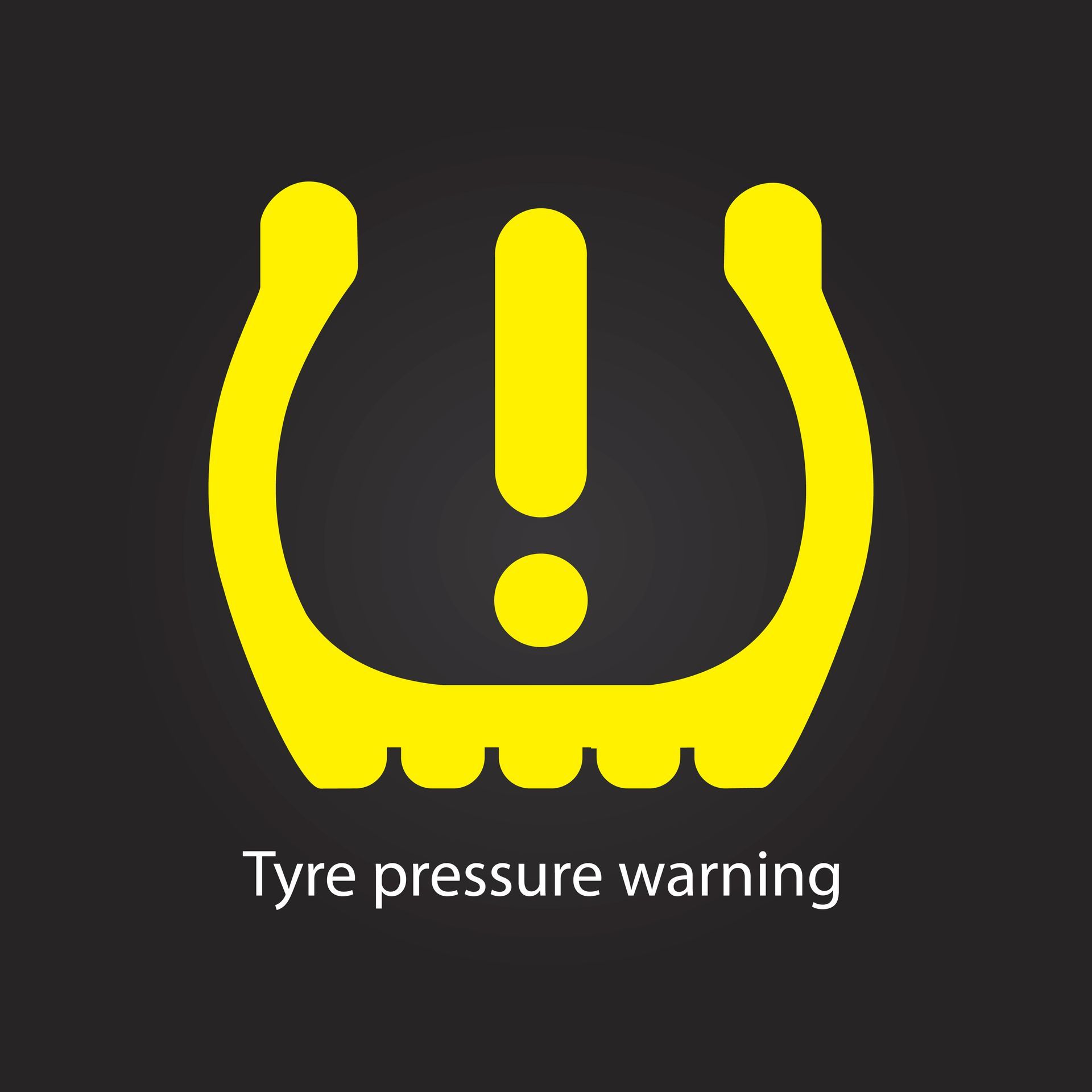
Poor fuel economy can have many causes, including tire pressure, oxygen sensors, fuel trim problems, thermostat issues, and driving conditions. When reduced mileage appears together with a timing fault or rough engine behavior, the VVT system deserves a closer look.
Why VVT Solenoids Start Failing
VVT solenoids depend heavily on clean engine oil. Small internal passages control oil flow to the camshaft actuator, and sludge or varnish can restrict those passages enough to make the valve stick.
Running the engine low on oil can create trouble as well because the timing system needs oil pressure to operate correctly. Old oil, incorrect viscosity, or the wrong oil specification can interfere with response. Electrical failures also happen. The solenoid coil can fail internally, or a connector or wiring problem can stop the computer's command from reaching it.
Regular maintenance is especially important on engines with variable valve timing because clean oil protects much more than bearings. It also keeps small hydraulic control systems working as designed.
Confirm the Solenoid Before Replacing It
A VVT solenoid is often accessible enough that replacing it seems like an easy first step, but that doesn't mean you should change it without testing. If a timing chain has stretched or the engine has low oil pressure, a new solenoid won't fix the underlying problem.
During an inspection, we check oil level and condition, stored fault information, wiring, solenoid operation, and actual camshaft movement. On some engines, we can also remove the solenoid and check it for debris or sludge. Once the cause is clear, the repair can focus on the failed part instead of working through a list of possibilities one component at a time.
Get Variable Valve Timing Service In Cape Coral, FL, With George's Complete Auto Repair
If your engine has developed a rough idle, hesitation, reduced fuel economy, or a timing-related check engine light, George's Complete Auto Repair in Cape Coral, FL, can check the VVT solenoids, oil condition, camshaft timing system, and related engine controls.